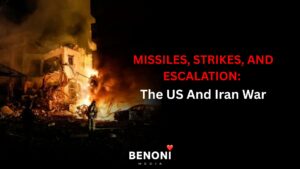


The US Iran war has pushed the Middle East toward one of its most dangerous points in decades, with military strikes, regional escalations, and global powers closely monitoring the situation. This rapidly evolving conflict has serious implications for international security, energy markets, and regional stability.
How the US Iran War Escalated
The conflict intensified in early 2026 when the United States and Israel launched airstrikes targeting Iranian military sites, infrastructure, and leadership compounds. These attacks followed months of mounting tension over Iran’s nuclear program and regional influence. In response, Iran has conducted missile and drone attacks on U.S. and Israeli targets across the Gulf, raising fears of broader confrontation.
Regional Fallout
The US Iran war is affecting neighboring countries and key shipping routes:
- Lebanon’s Hezbollah militia launched attacks on Israel, prompting Israeli retaliatory strikes.
- The Strait of Hormuz, a vital global oil route, has seen increased military activity, creating economic uncertainty worldwide.
- U.S. embassies in Gulf states have faced drone attacks, highlighting the conflict’s reach.
Key Players and Goals
- United States: Aims to neutralize Iran’s nuclear threats and weaken its support for regional militias. The Pentagon emphasises that operations are calibrated to avoid full-scale war.
- Israel: Focuses on preventing missile attacks from Iran and allied groups. Israeli leadership warns the campaign may take time to achieve its objectives.
- Iran: Retaliates through missiles, drones, and proxy militias, asserting resistance to foreign attacks.
- Hezbollah & regional forces: Align with Iran in targeting Israeli positions, though regional governments seek to prevent full involvement.
Global Consequences
The US Iran war carries serious international implications:
- Economic: Oil prices and global markets are sensitive to disruptions in the Gulf.
- Diplomatic: The United Nations calls for urgent negotiations to prevent escalation.
- Security: Risk of regional proxy conflicts, missile strikes, and cyberattacks is high.
Looking Ahead
The outcome of the US Iran war hinges on a mix of diplomacy and military strategy. Key factors to watch include:
- Engagement of international mediators
- Movement of troops and weapons
- Regional responses from Gulf and Middle Eastern countries
- Statements from U.S., Israeli, and Iranian leadership
Conclusion
The US Iran war is more than a bilateral conflict—it is a geopolitical flashpoint with the potential to reshape Middle Eastern stability and global economic dynamics. Staying informed on verified developments is essential as the situation unfolds.